
It looks harmless enough - white, 8cm (3ins) long and about the width of a child's finger - but the cigarette is vilified like no other product. Who invented it and how much responsibility does he bear for the countless deaths it has caused?
它看上去并没有什么伤害性――白色,8cm长,一个孩子的手指宽度――但是香烟并没有像其他产品那样遭到抨击。谁发明的香烟,由它所引起的伤害又如何计算呢?
US surgeon Alton Ochsner recalled that when he was a medical student in 1919 his class was summoned to observe an autopsy of a lung cancer victim. At that time, the disease was so rare it was thought unlikely the students would ever get another chance.
美国的外科医生Alton Ochsner回忆1919年当他还是一名医学生时要求去观察一名肺癌患者的尸体。当时,肺癌是一种非常罕见的病,学生们都认为错过当时的机会就不会再有机会观察这种病例了。
But by the year 2000, it was estimated that 1.1 million people were dying annually from the disease, with about 85% of those cases stemming from a single cause - tobacco.
但是到2000年,估计每年有110万人死于肺癌,而其中85%的起因都源于――烟草。
"The cigarette is the deadliest artefact in the history of human civilisation," says Robert Proctor of Stanford University. "It killed about 100m people in the 20th Century."
“香烟是历史上人类文明中最致命的人工制品。”斯坦福大学的Robert Proctor这样认为,“20世纪香烟已经造成1000万人死亡。”
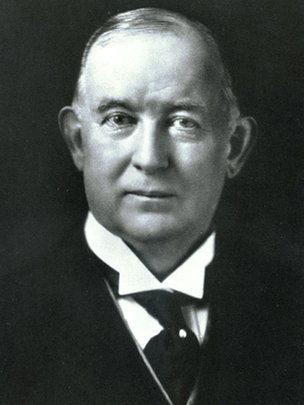
Not only did Duke help create the modern cigarette, he also pioneered the marketing and distribution systems that have led to its success on every continent.
Duke不仅发明了香烟,而且还在世界各地开拓了市场并建立了分配制度,这些都成就了他的成功。
In 1880, at the age of 24, Duke entered what was then a niche within the tobacco business - ready-rolled cigarettes. A small team in Durham, North Carolina, hand-rolled the Duke of Durham cigarettes, twisting the ends to seal them.
1880年Duke24岁,Duke进入了烟草行业,准备做香烟生意。Duke在北卡罗莱纳州Durham的一个小团队里,手工卷制密封香烟。